


Heating Transition 2026/27: Seven developments shaping our energy supply
Long story short:
From concept to reality: Following the local heating plan, the actual construction and project phase will begin in summer 2026.
Hybrid systems: Modern heating networks flexibly combine large-scale heat pumps, geothermal energy and waste heat.
Flexibility trumps efficiency: Temporary energy storage and integration with the electricity market are becoming economically vital.
Taking the pressure off you: Planning consultancies such as goodmen energy address the acute staff shortage and support projects from concept through to implementation.
#1 The transition to sustainable heating is gathering pace
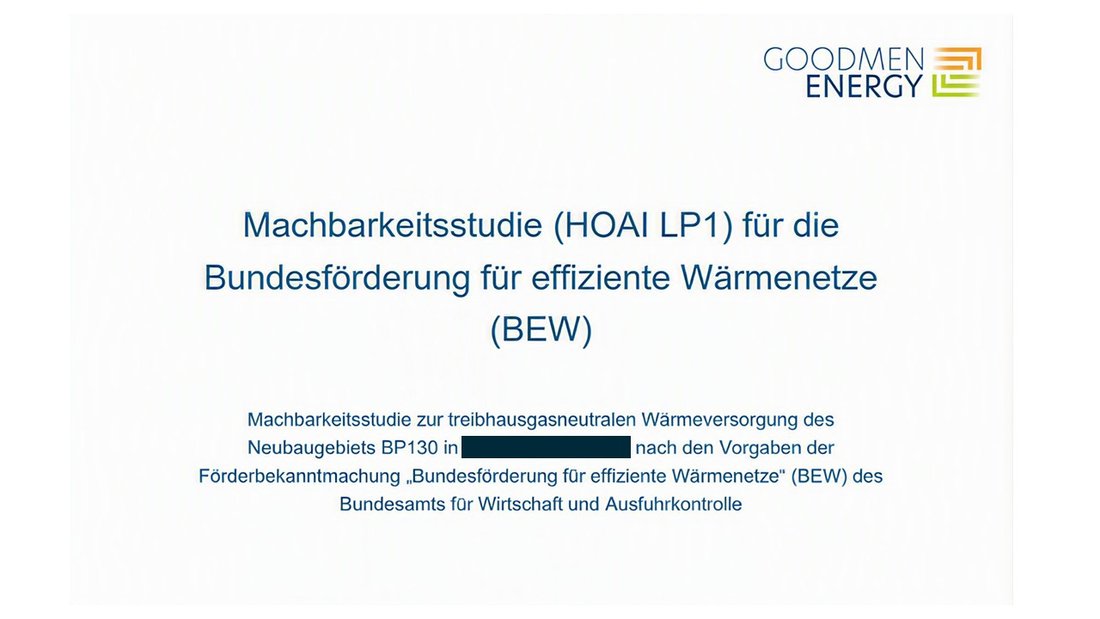
Once the local heating plans have been finalised, the actual project work begins on the ground. The focus shifts from strategy to detailed technical planning and implementation. The financing of the projects also accounts for a large part of the current deliberations. This transition will have the greatest impact on the market in the coming years. Key tasks in this regard include:
- Prioritisation of supply areas
- Feasibility studies
- Route planning and energy centres
- Cost-benefit analyses and grant management
- Permits
Tip: Engaging external planning consultancies such as goodmen energy brings specialist expertise and conserves your own scarce staff resources – from the initial concept right through to final implementation.
#2 Heating networks are becoming integrated energy systems
Modern heating networks combine various heat sources into a highly efficient integrated system. The aim is to respond flexibly to the electricity market and to combine resources in the best possible way. Holistic planning of these interactions is key to the project’s success. Key components include:
- Large-scale heat pumps, geothermal energy, waste heat
- seasonal storage for peak loads
- Digitalisation and control of network temperatures
Here, too, you will need an experienced planner and specialist.
#3 Decarbonising existing heating networks
The gradual, climate-neutral transformation of existing district heating networks is one of the largest infrastructure projects facing municipal utilities in the coming decades. Fossil fuels are being replaced by smart, hybrid supply systems. Key measures for this include:
- Reducing network temperatures
- Targeted replacement of components within the network
- Integration of large-scale heat pumps and geothermal energy
- Waste heat recovery
- Storage integration
Experience counts: goodmen energy has already successfully planned and implemented numerous transformation strategies for large municipal utilities.
#4 Large-scale heat pumps are becoming a key technology
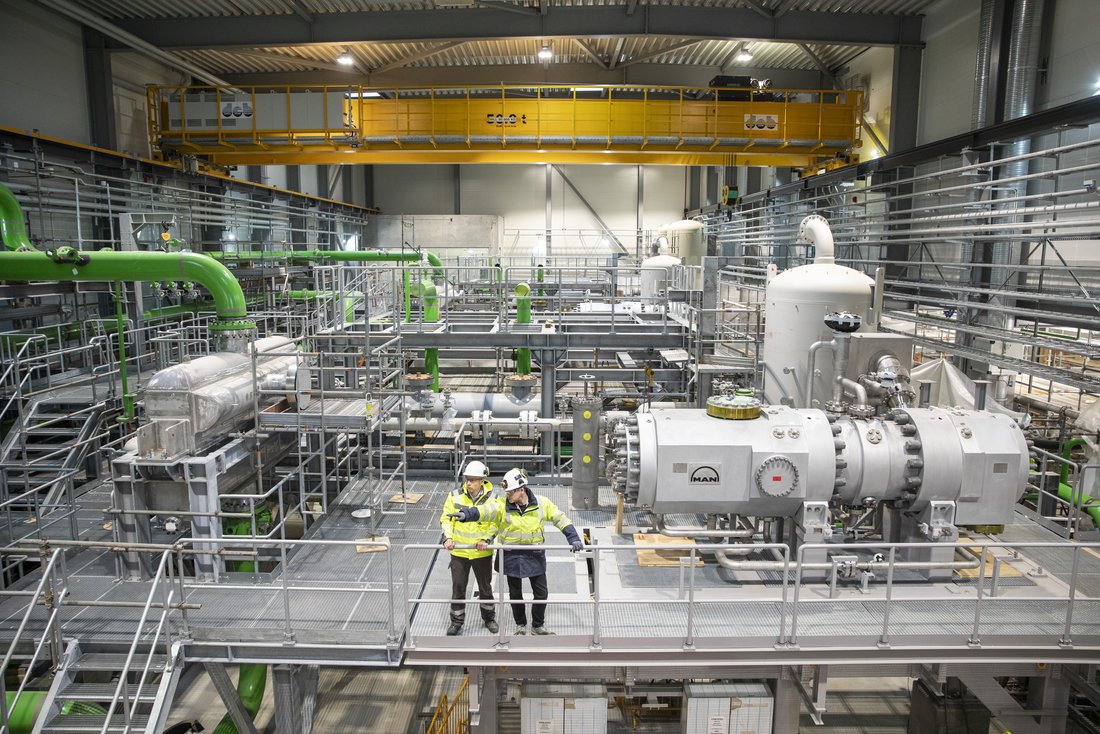
Large-scale heat pumps are increasingly replacing fossil fuel-fired heating plants, as they efficiently harness unused environmental and waste heat sources (such as wastewater or data centres) for district heating networks and high-temperature industrial process heat, e.g.:
- Rivers and lakes
- Wastewater and sewage treatment works
- Industrial waste heat and data centres
They are now considered the absolute state of the art in modern multi-source systems.

#5 Deep geothermal energy is gaining momentum
Deep geothermal energy is becoming a realistic supply option for entire regions. New regulatory frameworks and a growing willingness to invest are accelerating numerous projects. At the same time, increasingly integrated concepts are emerging in which geothermal energy is combined with district heating networks, large-scale heat pumps or other energy applications. As a result, its significance is growing far beyond individual flagship projects.
This upswing is driven by:
- faster planning permissions
- greater planning certainty
- better investment conditions
#6 Waste heat as an energy source
Waste heat no longer is dismissed as an unused by-product of industry, but is specifically integrated into the heat supply. Thanks to modern heat pump technology, even low temperatures can be utilised economically. Valuable sources in conurbations include:
- Data centres
- Industrial plants
- Sewage treatment works and wastewater
#7 Flexibility trumps energy efficiency
With the expansion of renewable energy, it is no longer just the efficiency of a system that counts. At least as important are resilience and the ability to decouple generation from consumption over time. Economically viable concepts therefore focus on:
- Power-to-heat: Converting surplus electricity directly into heat.
- Heat storage: Temporarily storing energy for peak periods.
- Load shifting & sector coupling: Responding flexibly to grid and market requirements.
In future, this flexibility will be an essential component of cost-effective and resilient heat supply concepts.
Conclusion: The heating transition is gathering pace – let’s make it happen!
For local authorities, municipal utilities and industry, the heating transition has reached the construction site. Projects are successful when technical, economic and regulatory requirements are considered together from the outset. Experienced partners such as goodmen energy provide the necessary expertise and effectively make up for any shortfall in internal staff resources.